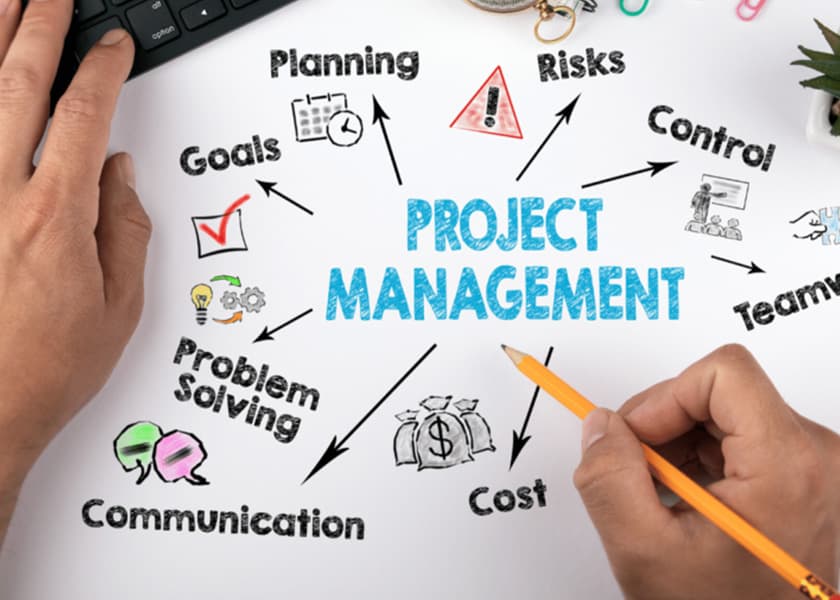
The way work flows through an organisation determines how productive, how responsive, and how consistently high-performing that organisation can be. When workflows are well-designed — clear, efficient, and supported by the right tools — teams can focus their energy on the work that creates value.
For organisations looking to improve operational efficiency, a workplace platform that centralises processes, communication, and data provides the infrastructure that enables streamlined workflows across every function. Rather than managing work across a disconnected collection of email, spreadsheets, and standalone applications, a unified.
Process mapping is the essential first step in any workflow improvement initiative. Before the right tools can be selected or configured, the current state of the workflow must be clearly understood. Where does work originate? Who handles each step? Where do delays typically occur? What decisions are made, and by whom? The answers to these.

Automation is the most powerful lever available to organisations seeking to improve workflow efficiency. Repetitive, rule-based tasks — approvals, notifications, data entry, status updates — can often be automated entirely, freeing team members to focus on the work that requires judgement, creativity, and human relationship skills.
A guide to top workflow management software options identifies ease of configuration as one of the most important criteria for selecting a workflow tool. Platforms that require technical expertise to configure and maintain place a ceiling on the adoption and evolution of workflows over time.
Workflow analytics provide the data foundation for continuous process improvement. When workflow tools track cycle times, identify bottlenecks, and measure completion rates for each step in a process, the improvement opportunities become visible in a way they never are when work is managed informally.
For organisations evaluating Workflow management software, scalability is a critical consideration that is easy to underestimate in the early stages of implementation. A workflow tool that serves a team of twenty well may not scale to a team of two hundred. Understanding the platform’s capacity limits, its licensing model at scale, and its track.
The change management dimension of workflow improvement is often the most challenging aspect of any process transformation initiative. New workflows require new habits, and habits are resistant to change. Organisations that invest in communication, training, and leadership support for workflow changes — and that involve the people who will use the.
Explore how the right workflow management platform can transform the efficiency and consistency of work across your entire organisation. Discover features, use cases, and how to get started today at www.kintone.com/en-sea/lp/my/goodbye-hello/en The impact on team performance and business outcomes is both immediate and compounding over time.